Archeology
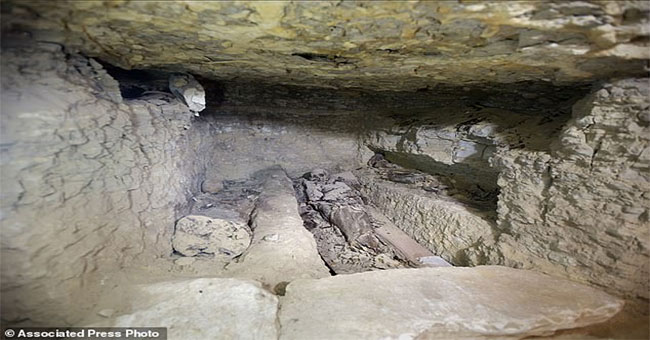
Discovered a 2,500-year-old mummified workshop in Egypt
Ancient mummified workshop was discovered by archaeologists at Saqqara cemetery of Memphis, the first capital of ancient Egypt.
Browse ScienceInfo articles and explainers related to Ancient Egypt.
268 published items.
Ancient mummified workshop was discovered by archaeologists at Saqqara cemetery of Memphis, the first capital of ancient Egypt.

The mysterious black coffin does not contain Alexander the Great's corpse or the deadly curse as previously speculated.

The ancient 3,000-year-old Egyptian papyrus found by experts was part of a document called Papyrus Salt 124.
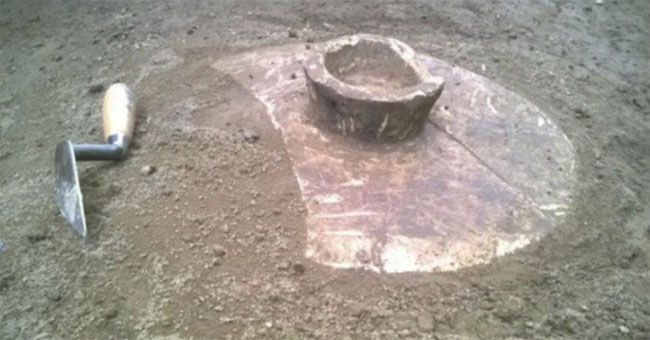
The pottery workshop dates back about 4,500 years, discovered by archaeologists during the renovation of Kom Ombo temple.
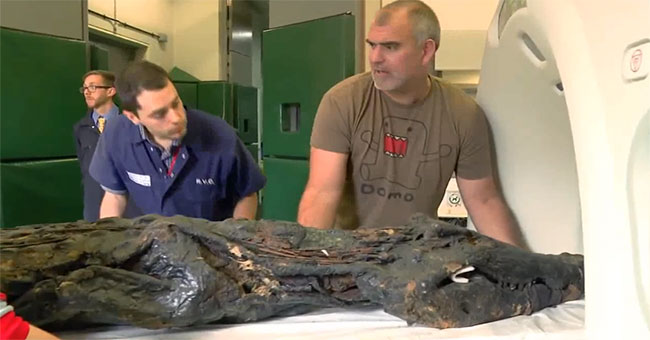
The mummy was created from the head of the Egyptian princess, which was inserted into the upper half of the crocodile in the hope that the child would revive in the next…

According to experts, the architecture may be part of a Greek-Roman period building.
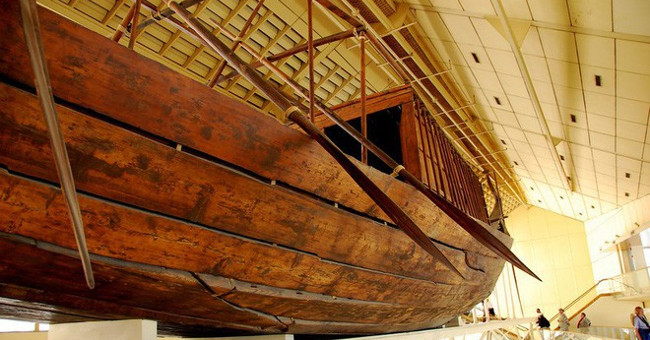
Experts found many tombs intact and stored countless valuable items buried for thousands of years.

Nile River plays an important role in the life of ancient Egyptians. Therefore, the ancient people cleverly used some tools and measures to measure the water level of th…
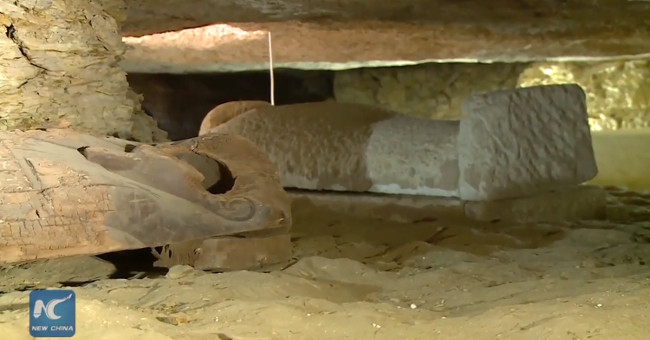
The cemetery contains about 1,000 statues, 40 stone coffins and mummies, 4 plaster jars containing organs and many other antiques.
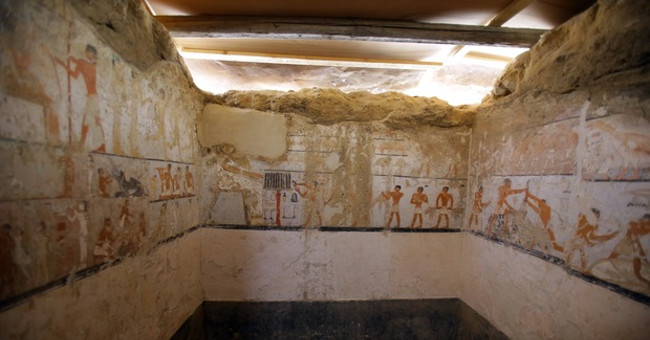
The cemetery is the site of the tomb of those who held high positions in the Fifth Dynasty, which lasted from 2465 - 2323 BC.
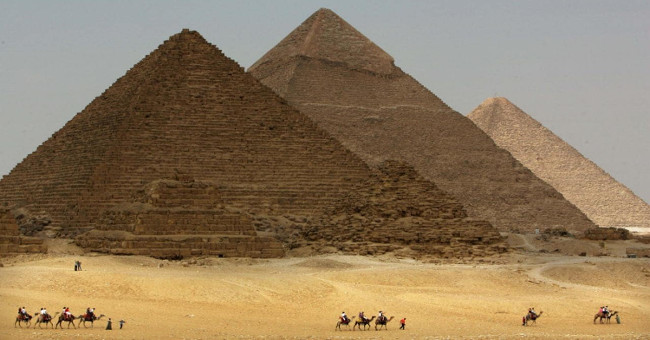
To find out the original appearance of the Great Pyramid of Giza before the outer shell disappeared, the team measured its original edges.

Over the years, experts and scientists have discovered many extremely valuable treasures.
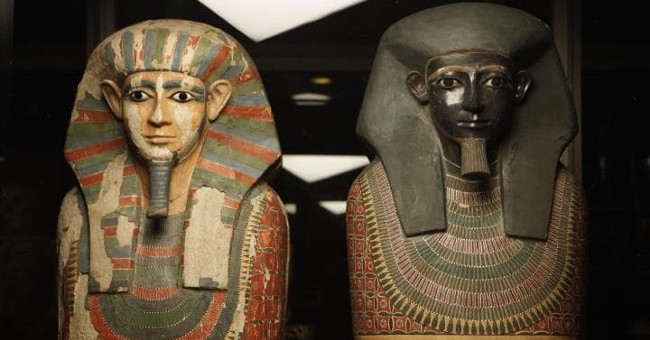
Recently, experts checked DNA from the teeth of two Egyptian Egyptian mummies in the Manchester Museum and discovered a big secret.

This 3,200-year-old Great Pharaoh statue was first discovered by Italian archaeologists in 1820.
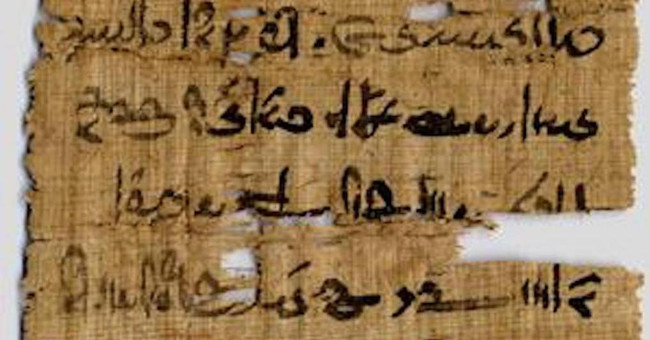
Historically, archaeologists believe that the ancient Egyptians used black ink, which was purely carbon-based until the 4th and 5th centuries.